The Hidden Stress of Owning an Aircraft (That Most Pilots Don’t Talk About)
March 11, 2026
Ask a pilot who owns their own aircraft why they did it, and the answer almost always starts with freedom.
Freedom to go when you want. To file when you’re ready. To skip the scheduling call and just walk out to the ramp. The idea of aircraft ownership carries a particular weight in aviation culture — a rite of passage, a mark of serious commitment, the ultimate expression of what it means to be a pilot rather than just a person who flies sometimes.
And then the first annual inspection bill arrives.
Or the hangar rent goes up. Or the avionics shop calls with a number that makes you sit down. Or you go three months without flying because life got complicated, and you realize you’ve been paying for an airplane that’s been sitting in a hangar doing nothing except costing you money.
Aircraft ownership is one of aviation’s most romanticized experiences — and one of its least honestly discussed ones. The freedom is real. So is the load that comes with it. This piece is about that load: what it actually looks like, why it catches pilots off guard, and what alternatives exist for the pilot who wants to stay sharp in the air without becoming a part-time aircraft administrator on the ground.
The Financial Picture Nobody Puts in the Brochure

The purchase price of an aircraft is the number everyone focuses on. It’s visible, finite, and negotiable. What catches most new owners by surprise is everything that follows.
For a single-engine piston aircraft — the category most general aviation pilots enter when they buy their first plane — the recurring annual costs tend to fall into several fixed buckets, none of which go away whether the airplane flies or not.
Insurance
Aircraft insurance for a single-engine piston typically runs between 1% and 5% of the aircraft’s insured value annually. On a used Cessna 172 or Piper Cherokee in the $80,000 to $120,000 range, that’s roughly $1,200 to $6,000 per year before a single flight. Low-time pilots, those with recent aircraft transitions, or pilots who fly infrequently tend to pay more — insurers price for experience, and new ownership often comes with a period of elevated premiums while the pilot builds time in type. The premium doesn’t pause when you’re too busy to fly. It comes due regardless.
Hangar or tie-down
Storing an aircraft outdoors on a tie-down is the economical option, with most general aviation airports charging somewhere between $50 and $300 per month depending on location. A hangar — which protects against weather, UV degradation, and the kind of cosmetic damage that erodes resale value — runs between $150 and $1,500 per month in a typical general aviation market. In major metro areas, enclosed hangar space is both scarcer and more expensive, and waitlists at popular airports can stretch years. At Mesa’s Falcon Field, like many Phoenix-area airports, demand for hangar space has grown consistently alongside the pilot population, and monthly rates reflect that.
The annual inspection
Under FAR Part 91, a privately operated aircraft must receive a full annual inspection by an FAA-certified mechanic with inspection authorization (IA) every twelve calendar months. An annual on a well-maintained, simple aircraft might run $800 to $1,500 in labor. On an older airframe with deferred items, or one equipped with complex avionics, that number can climb well past $5,000 before any required repairs are added. And repairs are almost always added. The annual inspection is when the deferred items on the squawk list finally get addressed, when the mechanic finds the things that accumulated invisibly over the previous year, and when owners learn the difference between “it’s running fine” and “it’s actually airworthy.”
Engine reserve
Reciprocating aircraft engines have a manufacturer-published Time Between Overhaul, or TBO — the recommended interval at which the engine should be overhauled or replaced. For a typical Lycoming or Continental engine, TBO falls somewhere between 1,800 and 2,000 hours. Engine overhauls run $20,000 to $40,000 or more depending on the engine type and what’s found inside. Prudent owners set aside a per-hour engine reserve — typically $15 to $25 per flight hour — against that future expense. Pilots who don’t often rediscover this math when TBO arrives and the reserve account is empty.
Avionics and airworthiness directives
Avionics degrade, require database subscriptions to stay current, and occasionally fail in ways that require immediate attention to maintain IFR currency or legal airworthiness. Airworthiness Directives — mandatory FAA-issued maintenance actions triggered by safety findings across a fleet type — arrive without warning and carry mandatory compliance timelines. An AD on a component of your specific aircraft model can mean a shop visit, a parts order, and a bill you weren’t budgeting for. Experienced owners keep a contingency fund. First-time owners often learn about ADs the hard way.
The honest version of aircraft ownership math: purchase price plus roughly $10,000 to $20,000 per year in fixed costs before fuel, before repairs, and before the things that break unexpectedly. Whether you fly a hundred hours that year or twenty, most of those bills arrive on schedule.
The Mental Load Is Separate From the Financial One
Every pilot who has owned an aircraft knows there is a layer of cognitive overhead that the ownership experience creates — and that it doesn’t appear in any ownership cost calculator.
It starts small. You notice something during a preflight that wasn’t there last week. A slight vibration at cruise. A nav radio that took two extra seconds to acquire. None of these things necessarily mean anything serious. But you’re the owner, which means you’re also the person responsible for determining whether they mean something — and the person who will pay to find out either way.
Ownership creates a category of background awareness that follows you off the airport. The weather at the home field. Whether the hangar is secure. Whether the annual is coming up and who’s going to do it. Whether last month’s squawk got properly signed off. Whether the insurance renewal is processing. Whether the registration needs to be renewed — because the FAA now requires aircraft registrations to be renewed every three years, and registration cancellation means the aircraft cannot be legally flown until it’s reinstated.
This is not a critique of ownership. It’s a description of it. The pilots who thrive as aircraft owners are usually the ones who genuinely enjoy this operational side — who find maintenance relationships interesting, who like understanding the mechanical depth of their aircraft, who treat the administrative work as part of the hobby rather than a tax on it. For those pilots, ownership is deeply satisfying and worth every dollar.
For pilots whose relationship with aviation is primarily about flying — not managing — the mental load can gradually erode exactly what they got into aviation to experience.
“I’ve talked to a lot of pilots who bought aircraft because they wanted more freedom, and ended up feeling less free than before. The plane became another responsibility, another thing that needed attention and money. At some point they were flying less than they were when they rented, because ownership made flying feel like work instead of relief.”
— Harbour Dollinger, Founder, Kodiak Aviation | Falcon Field, Mesa, AZ
Aircraft Rental vs Ownership: What the Comparison Actually Looks Like
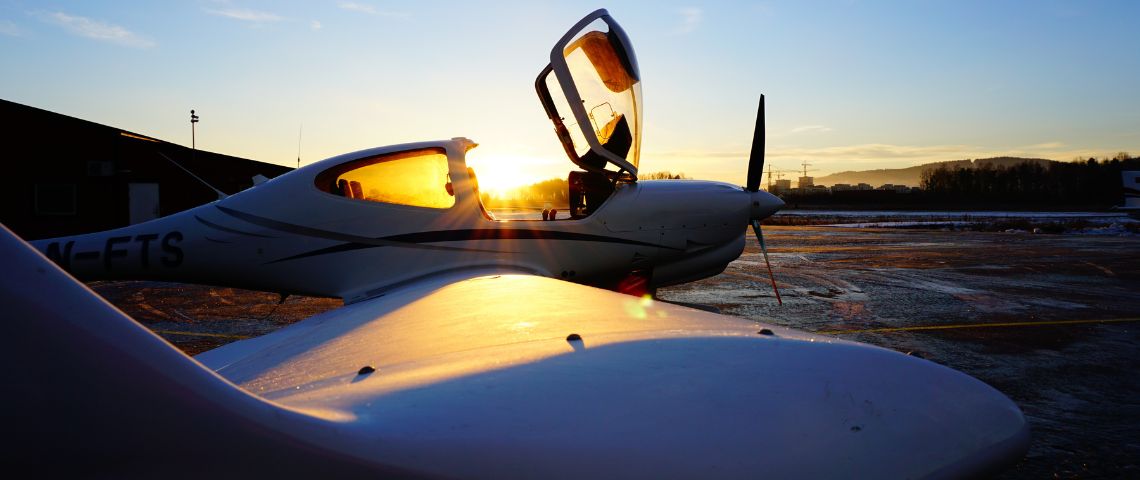
The standard argument for aircraft ownership over rental goes like this: if you fly enough hours per year, ownership is cheaper per hour than renting. The break-even is usually cited somewhere between 100 and 150 annual flight hours, though the actual number depends heavily on the aircraft, the rental market, and how honestly you account for all ownership costs including the ones that are easy to undercount.
What this argument often omits is what you’re trading when you rent versus when you own.
What rental gives you that ownership doesn’t
When you rent an aircraft, the maintenance responsibility belongs entirely to someone else. The annual inspection, the engine reserve, the avionics squawk, the hangar bill, the insurance renewal — none of that exists for you. If the aircraft has a mechanical issue on the day you’ve booked it, you don’t deal with the repair. You get rescheduled, which is frustrating, but it’s a different kind of frustration than writing the check yourself.
There is no depreciation exposure. No title to track. No need to engage an escrow service, complete FAA Form 8050-1 and 8050-2, or worry about whether a lien from a previous owner was properly released at the FAA Registry in Oklahoma City. You don’t need to think about whether to hold the aircraft in your personal name or an LLC, or whether that choice creates a sales tax event in your state. You just fly.
Renting also allows a degree of aircraft flexibility that ownership doesn’t. A renter can access whatever the operation offers — a different airframe, a glass-equipped trainer, a certified simulator for instrument currency — without having to own multiple aircraft. The owned aircraft sits fixed in its capabilities; the rental relationship can evolve with the pilot’s needs.
What ownership gives you that rental doesn’t
To be fair about this: ownership does deliver things that rental genuinely cannot.
Availability on your schedule — not subject to booking windows, other students, or a school’s operating hours. The ability to customize avionics, seats, and interior to your preference. Equity that may return some value when you sell. The satisfaction of knowing an aircraft’s complete maintenance history because you’ve been present for every hour of it.
And for pilots who fly consistently and often — 150 hours or more per year, with the financial cushion to absorb unexpected maintenance costs without disrupting their lives — ownership can be the right answer. The calculation changes significantly at high utilization. The fixed costs get spread across more hours, the per-hour math tightens, and the operational involvement becomes a reasonable trade for the control and flexibility it provides.
The aircraft rental vs. ownership decision isn’t really about hourly rate. It’s about what role you want aviation to play in your life, and how much of your bandwidth — financial and mental — you’re prepared to give it.
What Fractional Aircraft Ownership Actually Is — and When It Makes Sense
Between full ownership and hourly rental sits a model that attracts more attention as pilots look for the benefits of both without all the downsides of either: fractional aircraft ownership.
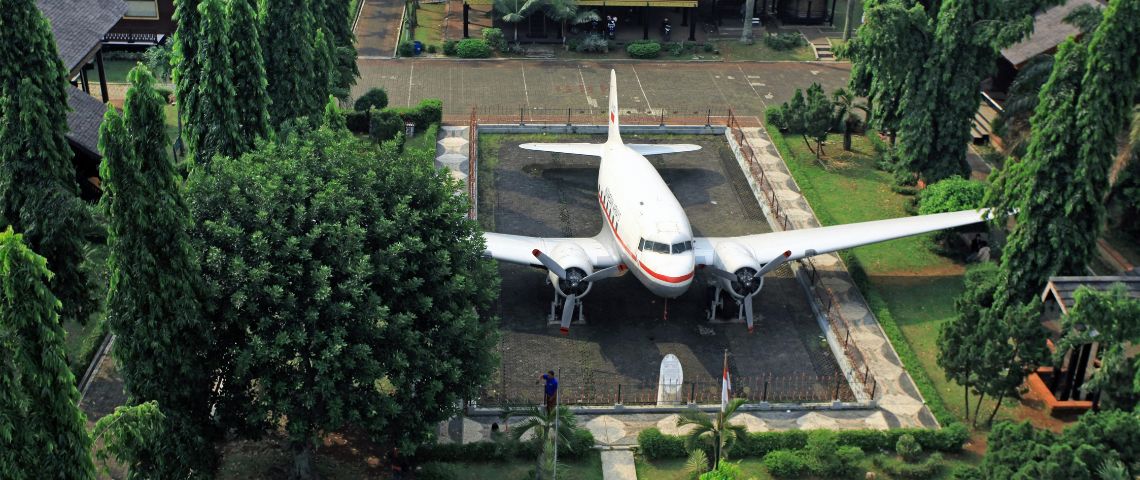
In the general aviation context, fractional ownership typically means multiple pilots share a purchase, a registration, and a maintenance cost structure on a single aircraft. Each owner contributes a portion of the acquisition cost and ongoing expenses proportional to their share, and access is coordinated among co-owners through scheduling agreements.
In the business aviation world, fractional ownership operates at a larger scale through programs like NetJets and Flexjet, where owners purchase a fraction of a specific aircraft model — as small as a one-sixteenth share, which typically translates to around 50 flight hours per year — and a management company handles all operations, crew, maintenance, and scheduling. These programs require a substantial upfront investment, often $550,000 or more for a one-sixteenth share of a light jet, plus monthly management fees and hourly costs when flying.
The genuine advantages
Fractional programs in both the GA and business aviation context address some of the real friction points of full ownership. The operational burden — maintenance coordination, crew management, regulatory compliance — is handled by the management company or by the shared ownership group. Acquisition cost is divided. A pilot with fractional access to a well-maintained aircraft can often get most of the scheduling flexibility of ownership at a meaningfully lower capital outlay.
The trade-offs worth knowing
Shared scheduling means the aircraft isn’t always available when you want it, particularly during peak periods. Fractional ownership in the GA context depends heavily on the other owners in the arrangement — disagreements over maintenance standards, scheduling priorities, or contribution to unexpected costs can create friction that makes pure rental feel simple by comparison. In the business aviation fractional model, monthly management fees continue whether or not you fly, and contracts typically run three to five years, making the program a significant long-term financial commitment rather than a pay-as-you-go solution.
For pilots weighing fractional against rental, the honest question is this: do you need a level of scheduling control and aircraft familiarity that rental can’t provide? If yes, fractional may be worth the complexity. If what you need is access to a reliable, maintained aircraft on a reasonable schedule without a multi-year contract, rental is usually the cleaner answer.
If You’re Ever Considering a Transfer: How Aircraft Ownership Changes Hands
For pilots who own aircraft and are considering exiting — or who are looking to buy a used aircraft and want to understand what the process actually involves — a brief overview of how aircraft ownership transfers is worth having.
The FAA requires two core documents to transfer aircraft ownership: a completed Aircraft Bill of Sale (FAA Form 8050-2) and a new Aircraft Registration Application (FAA Form 8050-1) filed by the buyer. The registration fee is $5.00. Simple on its face, but the process has layers.
Title search first
Before a sale closes, a title search through the FAA Aircraft Registry in Oklahoma City reveals any open liens, encumbrances, or chain-of-ownership gaps attached to the aircraft. Mechanics’ liens from unpaid maintenance work, financing holds from previous owners that were never released, or incomplete title chains from earlier transfers can all surface here. These must be resolved before clear title can pass to a buyer. Aviation title and escrow services — which typically run $400 to $600 for a complete package — exist specifically to manage this process and are standard practice in any professionally handled aircraft sale.
Registration timing
Once the Bill of Sale and new Registration Application are submitted to the FAA, the buyer receives a pink copy of the application that serves as temporary registration authority for up to 90 days while the permanent certificate is processed. The seller is required to return the original registration certificate to the FAA Registry within 21 days of the transfer. Sellers who don’t do this remain technically associated with the aircraft in the FAA’s records, which can create liability exposure.
Holding structure
Many aircraft owners choose to hold their aircraft in an LLC rather than in their personal name, primarily for liability separation. Moving an aircraft from personal ownership to an LLC after the fact requires a new Bill of Sale and Registration Application — effectively a re-registration — and may trigger state sales tax depending on jurisdiction. Tax counsel before making this change is not optional if the amounts involved are material.
“The transfer process catches a lot of people off guard because the FAA paperwork looks simple. It is simple — until there’s an old lien that nobody filed a release for, or a chain of ownership gap from a sale three owners back. Get a title search. Use an escrow service. The $400 is the cheapest insurance you’ll ever buy in aviation.”
— Harbour Dollinger, Founder, Kodiak Aviation | Falcon Field, Mesa, AZ
Aircraft Ownership Solutions: Matching the Model to the Mission
There is no universally correct answer to the ownership question. The right model depends on how you actually fly, what role aviation plays in your life, and how much operational involvement you genuinely want — not how much you think you’ll want when the idea of owning an airplane is still new.
A few useful frames for thinking through it:
- If you fly under 100 hours per year: Rental is almost always the more economical and less stressful choice. The fixed costs of ownership — insurance, hangar, annual inspection, engine reserve — spread across fewer hours make the effective cost per flight high, and the maintenance burden remains constant regardless of utilization.
- If you fly 100–200 hours per year and want scheduling flexibility: This is where the ownership vs. rental calculation gets genuinely close. Shared ownership or a rental arrangement with an operation that prioritizes availability can often match the per-hour economics of ownership without the administrative load.
- If you fly more than 200 hours per year and have maintenance reserves: Full ownership starts to make financial sense, and the operational involvement becomes a reasonable trade for the control it provides.
- If you want private aviation access without operational involvement: Fractional programs or managed rental operations — where a reliable, well-maintained aircraft is professionally managed and available on a booking basis — offer the flying experience without the ownership administration.
The pilots who are most satisfied with their aviation life tend to be honest with themselves about which category they actually fall into, rather than the one they aspire to. A pilot who owns an aircraft they rarely fly because life got in the way is not more serious about aviation than one who rents consistently and logs meaningful time every month. Frequency and quality of flight is what builds pilots. The paperwork in between is a means to that end, not the end itself.
The Thing Most Pilots Don’t Say Out Loud
There’s a version of this conversation that doesn’t happen enough in pilot communities, because aircraft ownership carries a certain status and admitting that it’s hard feels like admitting something else.
But it is hard. Not for everyone and not all the time — but frequently enough that pilots who have been through it and come out the other side tend to give advice to aspiring owners that sounds something like: go in with your eyes open, budget more than you think, and be honest about whether you want an aircraft or want to fly an aircraft, because those are different things.
Wanting to fly is a clean desire. You show up, you preflight, you go. The airplane’s history, insurance status, maintenance reserves, and registration currency are managed by someone else. The only thing you bring is your logbook.
Wanting an aircraft is a broader commitment. It includes the flying, and it includes everything that keeps the flying possible: the maintenance relationships, the compliance calendar, the financial planning, the inevitable surprises. For pilots who are built for that full picture, ownership is genuinely rewarding. For pilots who aren’t, the honest path is finding a rental environment that’s good enough to trust — and then just flying.
The pilots most at peace with their aviation life are the ones who made an honest decision about what they actually wanted — not what aviation culture told them they should want. Both ownership and rental can get you to the same sky. The question is how much you want to carry to get there.
Know What You’re Buying Before You Buy It
Aircraft ownership is one of the most rewarding things in general aviation for the pilots who go in with clear expectations, solid financial planning, and a genuine appetite for the operational side of the experience. It is also one of the most quietly stressful for the pilots who didn’t.
The gap between those two outcomes is usually information. Understanding what the annual costs actually look like before the first bill arrives. Knowing what the title transfer process involves before you’re halfway through it and surprised by an old lien. Thinking through what fractional ownership trades away as well as what it offers. Honestly evaluating whether your actual utilization justifies the fixed cost structure of ownership, or whether a reliable rental relationship delivers the same flying life at lower total cost and cognitive load.
Aviation rewards pilots who fly. The path that gets you flying most consistently, most reliably, and with the most of your mental energy focused on the cockpit rather than the hangar is the right path — regardless of whose name is on the registration.
All the Flying. None of the Ownership Headaches.
Kodiak Aviation offers dry-rate rental in our 2021 Cirrus SR20 G6 (N701YZ) — a meticulously maintained, glass-cockpit aircraft based at Falcon Field (KFFZ) in Mesa, AZ. At $285/hour wet, you get access to a modern, airworthy airplane without a hangar agreement, an insurance policy, an annual inspection bill, or an FAA title transfer. Our FAA-certified Cirrus Flight Simulator is available separately at $100/hour for fully loggable instrument time.
You show up. You fly. You go home. We handle everything else.
📍 Falcon Field (KFFZ), Mesa, AZ | 📞 (480) 568-3795 | ✉️ info@kodiakaviationco.com
Book your session at kodiakaviationco.com
Kodiak Aviation is based at Falcon Field (KFFZ) in Mesa, AZ. Aircraft rental available in our 2021 Cirrus SR20 G6 (N701YZ) at $285/hr wet. FAA-certified Cirrus Flight Simulator at $100/hr, fully loggable. Flexible scheduling, complimentary refreshments, and an on-site study lounge. Assistance hours: Monday–Friday 6am–8pm.
Aircraft Rental at Falcon Field: Everything You Need to Know About KFFZ
READ STORY