Why the Cirrus SR20 G6 Is One of the Best Hour-Building Aircraft Available
March 27, 2026
For pilots building toward a commercial certificate or airline career, the aircraft you log time in matters. Here is why N701YZ at Kodiak Aviation stands out.
Most pilots building hours are doing the math constantly. Every flight is a calculation: cost per hour, gear quality, what it is going to look like on an application someday. The aircraft you train in sends a signal long before you sit down for an interview.
At Kodiak Aviation at Falcon Field (KFFZ) in Mesa, Arizona, the primary hour-building aircraft is a Cirrus SR20 G6 registered N701YZ. It is not the cheapest way to accumulate hours. But for pilots who want their logbook to reflect the kind of flying that actually matters to airlines and charter operators, it is one of the strongest options available.
Here is what makes it different.
What Makes the SR20 G6 a Technically Advanced Aircraft
The FAA defines a Technically Advanced Aircraft (TAA) as a fixed-wing airplane with an integrated glass cockpit, autopilot, and a GPS moving map with IFR capability. The SR20 G6 meets all three criteria and then some.
N701YZ is equipped with the Garmin Perspective+ avionics suite, which includes dual G1000-class displays, an integrated autopilot, NEXRAD weather uplink, ADS-B In and Out, and synthetic vision. Flying this aircraft is not similar to flying a steam-gauge Cessna 172. The workflow, the scan, and the decision-making process are closer to what a regional airline first officer encounters in a modern jet than anything else available for rent at this price point.
TAA time is specifically recognized in FAA certification standards. Commercial certificate applicants who log flight time in TAA aircraft may apply that toward the reduced-hour path for the commercial single-engine certificate. The practical value of logging hours in a glass cockpit aircraft goes beyond regulatory minimums though. Hiring managers at regional carriers and charter companies know what kind of flying their applicants have actually done.
The CAPS Parachute System: What It Is and Why It Matters
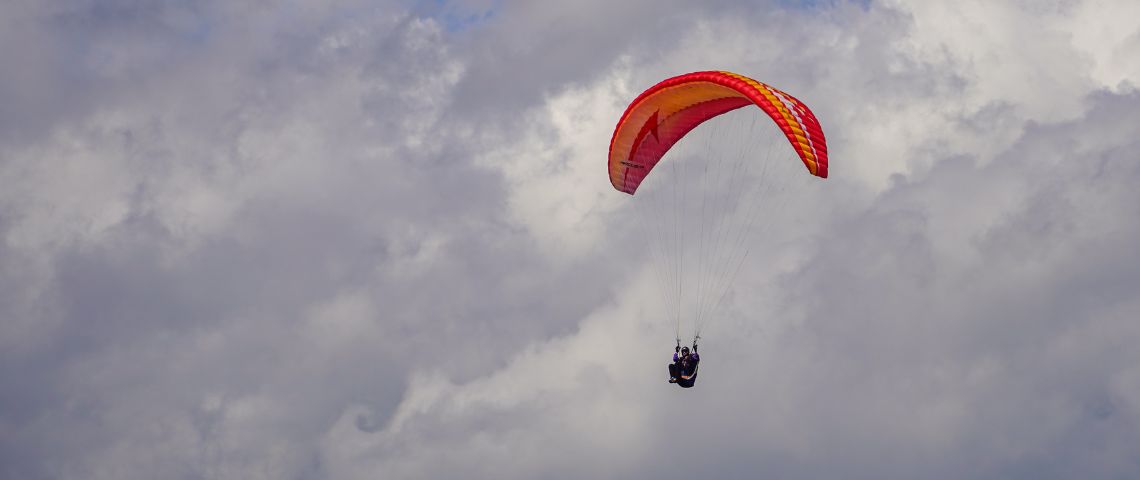
The SR20 includes the Cirrus Airframe Parachute System, known as CAPS. It is a rocket-deployed ballistic parachute that can lower the entire aircraft to the ground in the event of an emergency that cannot be resolved by normal means.
Pilots who have not flown a Cirrus are sometimes uncertain about how to think about CAPS. It is not a crutch and it is not a substitute for good decision-making. What it is: a last-resort system that has saved lives in situations where no other option existed. Cirrus aircraft have the lowest fatal accident rate per hour flown of any piston aircraft in production, and the CAPS system is a significant part of that record.
For pilots building hours, there is another dimension to this. Understanding parachute system deployment, knowing the decision altitude thresholds, and being familiar with the CAPS activation procedure is a meaningful item to discuss in a technical interview. It signals that you have thought seriously about emergency resource management and that you have trained in an aircraft that treats safety as an engineering problem.
“The SR20 was selected specifically because it puts student and private pilots in the most capable, most safety-conscious platform we could find at this stage of training. The avionics, the airframe, the safety systems – everything is current. That matters when our renters are eventually sitting across from an airline examiner.” — Kodiak Aviation, Falcon Field
What Glass Cockpit Proficiency Looks Like on Paper
Here is a practical example. Two pilots apply for the same regional airline first officer position. One has 300 hours, all logged in a Cessna 172 with a six-pack instrument panel. The other has 300 hours with 200 of them in a Cirrus SR20 G6 with Garmin Perspective+. Both candidates meet the minimum hour requirements.
The second candidate is not just better trained. Their logbook tells a more compelling story. They have experience with integrated autopilot systems, glass cockpit scan technique, GPS flight planning, ADS-B traffic awareness, and an aircraft with emergency systems not unlike what they will encounter in more complex platforms.
Airlines train every new hire from scratch. But they also know that a pilot who has been immersed in a modern glass cockpit is going to absorb that training faster and make fewer fundamental errors in the initial type course.
SR20 G6 Specifications at a Glance
| Specification | Detail |
|---|---|
| Registration | N701YZ |
| Engine | Continental IO-360-ES, 200 HP |
| Avionics | Garmin Perspective+ (dual G1000-class) |
| Autopilot | Integrated, with altitude preselect |
| Safety System | CAPS ballistic parachute |
| Classification | Technically Advanced Aircraft (TAA) |
| Rental Rate | $285/hr wet (fuel included) |
| Location | Falcon Field Airport (KFFZ), Mesa, AZ |
Who Should Be Renting This Aircraft
The SR20 G6 at Kodiak Aviation is available to licensed private pilots who meet the checkout requirements. It is also available to instrument-rated pilots looking to maintain or build IFR currency in a glass cockpit aircraft.
If you are a private pilot with fewer than 50 hours and you are still building fundamental stick-and-rudder skills, the SR20 is still accessible, but it is worth being honest with yourself about the learning curve. The aircraft rewards pilots who are ahead of it. It is not difficult to fly, but it is a step up from a basic trainer, and the avionics take time to learn well.
If you already have your private certificate and you are working toward a commercial certificate, instrument rating, or both, the SR20 is exactly the platform where you want to be spending your money.
The Case for Hour-Building in Arizona
The Mesa area offers over 300 flyable days per year. VFR conditions are the norm, not the exception, which means you are not sitting on the ground waiting for weather when you should be building time. Falcon Field sits in Class D airspace and is surrounded by the Phoenix Terminal Control Area, giving pilots regular exposure to towered airport operations, ATC communication, and complex airspace transitions without requiring a long cross-country just to get there.
Cross-country options from KFFZ are genuinely useful for hour building. Sedona (KSEZ), Prescott (KPRC), Tucson (KTUS), and Flagstaff (KFLG) are all within practical range and give pilots access to varied terrain, density altitude considerations, and mountain weather patterns that do not exist in flat, sea-level environments.
Ready to Start Building Hours in the SR20 G6?
Kodiak Aviation offers 15-hour and 30-hour rental packages for pilots committed to building time in N701YZ. Hour-building packages include a checkout flight to verify proficiency in the aircraft before solo operations begin.
Book Your Checkout Flight at Falcon Field | kodiakaviation.com | Falcon Field Airport, Mesa AZ
Questions about whether the SR20 is the right platform for your goals? Contact Kodiak directly. The team works regularly with pilots at every stage of the certification pathway and can give you an honest read on whether this aircraft fits where you are and where you are going.
Aircraft Rental at Falcon Field: Everything You Need to Know About KFFZ
READ STORY