Your First Rental Flight: What It Feels Like to Fly Without an Instructor Beside You
March 11, 2026
There’s a specific moment every pilot remembers.
You’ve just completed your preflight. The engine is running. You’re holding short. And the right seat — the seat that has held a CFI for every hour you’ve ever flown — is empty.
This is your first solo aircraft rental. Not a training flight. Not a checkride. Just you, the airplane, and wherever you’re going.
The feeling is hard to describe to someone who hasn’t experienced it. Part confidence, part adrenaline, a little vulnerability. Your hands know exactly what to do — but knowing that nobody is there to catch a mistake makes every input feel slightly more deliberate.
That shift from training to independence is what renting an aircraft is really about. This post walks through what that transition actually feels like, how to mentally prepare for it, what to watch for, and why the right aircraft makes more of a difference than most pilots expect.
The Psychological Shift: From Student to Pilot in Command
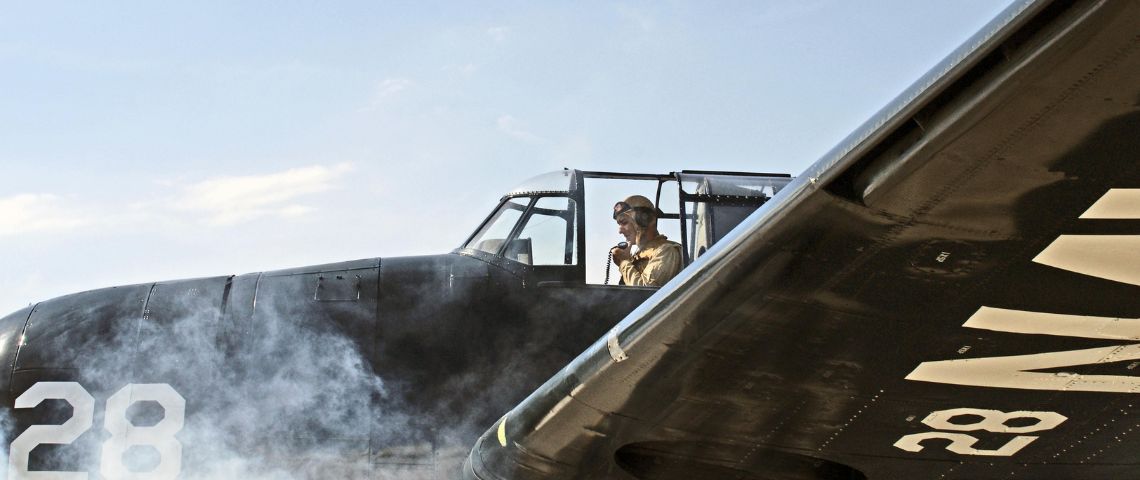
During flight training, the instructor beside you serves as more than a safety net. They’re a reference point. You subconsciously compare your scan to theirs, notice when their hands hover near the controls, and absorb their calm even when you don’t realize it.
When that presence disappears, a few things happen simultaneously.
First, your scan feels slower. Not because it is — but because there’s no one to fill the gaps with corrections or commentary. The cockpit is quieter, and that silence has weight.
Second, decisions feel heavier. A slight crosswind that your instructor would have brushed off with a sentence now sits entirely with you. You’re the one deciding whether to continue or go around. Whether to deviate slightly for weather or stick to the plan. The authority is yours now, and authority always comes with responsibility.
Third — and this is what most pilots don’t anticipate — the workload feels higher before it gets lower. The first few solo rental hours tend to feel more task-saturated than late-stage training flights, simply because the mental bandwidth your brain allocated to “someone else is watching” now has to go toward self-monitoring. That’s normal. It settles.
Flying a plane solo for the first time without an instructor isn’t just a skill milestone — it’s a mindset shift. You stop being a student performing for an audience and start being a pilot making decisions.
What “Ready to Rent” Actually Means
The legal minimums for private aircraft rental are clear: a valid Private Pilot Certificate (or higher), currency requirements met, a current medical, and a checkout with the renting FBO or flight school on their specific aircraft. Most operators also require a minimum number of logged hours — commonly 100 to 200 hours depending on the aircraft and club.
But legal readiness and psychological readiness aren’t always the same thing.
A pilot who’s current on paper but hasn’t flown in six weeks will feel very different during their first rental flight than one who wrapped up training two weeks ago and has been flying weekly. Currency matters — not just as a regulatory checkbox, but as a real measure of how warm your skills are.
Signs You’re Genuinely Ready
- You can work through your checklists without consciously slowing down to remember the next item
- Radio calls feel natural, not scripted — you’re not mentally rehearsing before keying the mic
- You can hold altitude and heading passively while doing other tasks (tuning, chart reading, writing)
- Go-around decisions feel automatic rather than deliberated
- You know your personal minimums and you’ve thought through what triggers a “no-go”
If some of those don’t describe you yet, that’s not a reason to delay renting — it’s a reason to be honest about what a first few rental flights should look like. Local pattern work before your first cross-country. Calm-day flights before flying into any crosswind over your comfortable limit. Build incrementally.
Preparing for the Flight: The Mental Preflight Nobody Talks About
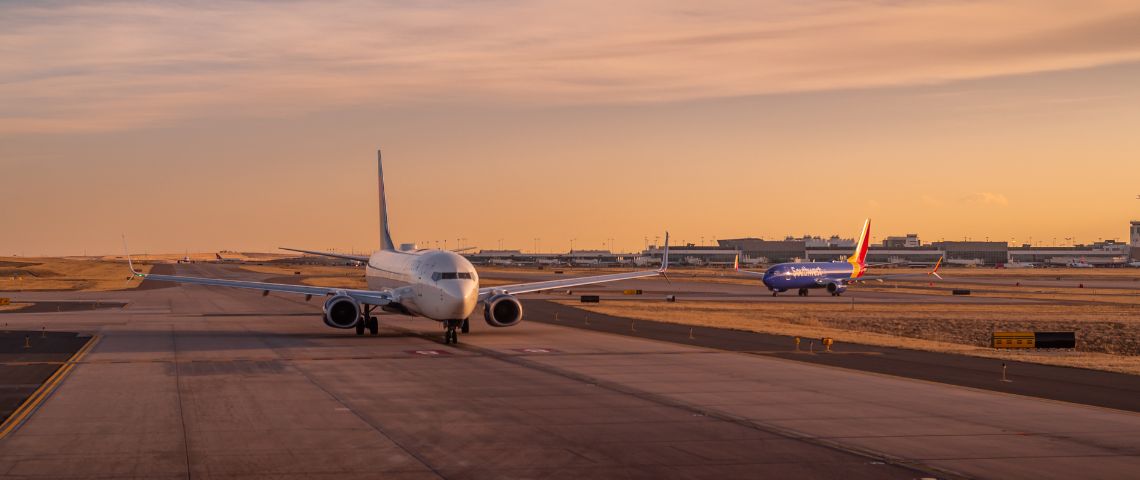
Most pilot training focuses on the physical preflight — fuel, oil, control surfaces, avionics. But for a first solo rental flight, the mental preflight matters just as much.
Brief Yourself Like You Would Brief a Passenger
Sit down before you go to the aircraft and talk yourself through the entire flight. Departure, cruise, arrival, alternates. What does ATC sound like at your destination? Where are the go-around options? What’s your fuel state at each checkpoint? This exercise — which many experienced pilots do before complex flights — is especially valuable early on because it surfaces gaps before you’re airborne with a full workload.
Set Personal Minimums and Write Them Down
Experienced pilots set personal minimums that are more conservative than regulatory minimums — and they commit to them in writing before the flight, not in the moment. For a first rental flight, consider:
- Wind: maximum crosswind component you’re comfortable with (be conservative)
- Visibility: your personal floor, separate from the legal VFR minimum
- Ceiling: what you need to feel confident, not just what’s legal
- Time of day: stick to daylight if night flying isn’t recent
- Complexity: keep the first few rentals local or on familiar routes
Writing these down matters because the go/no-go decision gets harder to make clearly when you’re already at the airport, the aircraft is waiting, and everything feels like it’s “fine enough.” Pre-committed minimums remove the temptation to rationalize.
Plan for the Unexpected
What happens if you can’t raise ATC on the expected frequency? If your destination is below minimums when you arrive? If you get disoriented in the pattern and need to go around twice? Running these scenarios in your head before takeoff means they don’t catch you cold. It’s not pessimism — it’s the kind of thinking that separates pilots who stay ahead of the airplane from those who end up chasing it.
In the Cockpit: What Changes When the Right Seat Is Empty
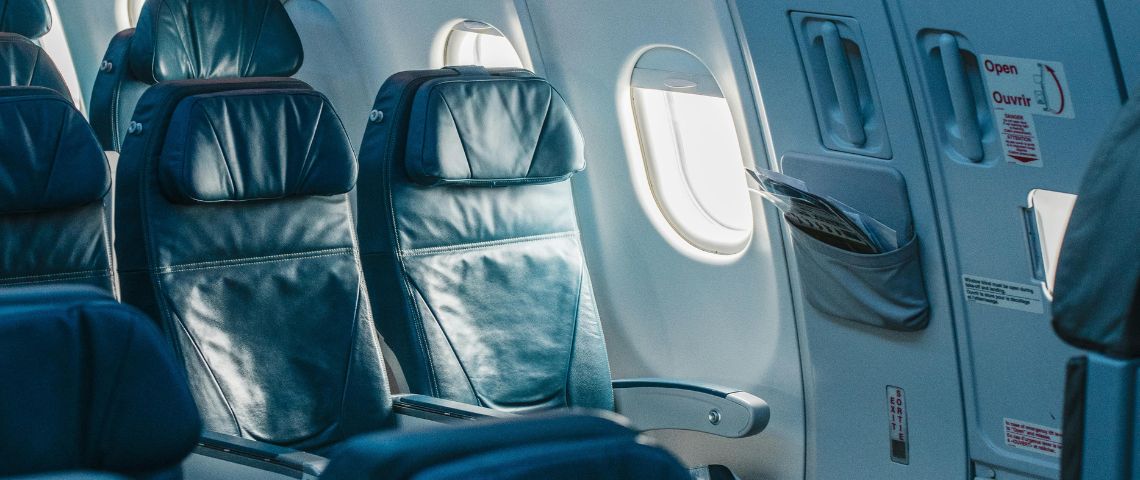
The actual flying doesn’t change. The physics are the same. The checklists are the same. The airspace doesn’t know or care who’s in the right seat.
What changes is the cognitive experience of flying.
Your Scan Needs More Structure
With an instructor, your visual scan had an anchor — you could glance right and read their body language for an ambient check of how things were going. Without that, your instrument scan needs to be more intentional. Set a rhythm early: attitude, heading, altitude, airspeed, engine. Don’t let any single instrument capture your attention for too long. The first time you catch yourself staring at the moving map for 30 seconds is a reminder of why the scan discipline matters.
Self-Talk Becomes Your Co-Pilot
Many pilots — including experienced ones — narrate their actions quietly on solo flights. “Crossing 3,000, mixture rich, landing light on.” It sounds unnecessary until you realize you’ve skipped a checklist item on a flight where no one is calling it out. Speaking actions aloud activates a secondary verification loop that your brain doesn’t naturally run silently. Use it without embarrassment.
Errors Belong to You — Own Them Quickly
You’ll make mistakes on your first rental flight. You’ll probably read back a clearance wrong, misjudge a turn to final, or land slightly long. These aren’t failures — they’re part of the transition. What matters is your response: note it, correct it, brief yourself afterward on why it happened. Pilots who debrief their own flights honestly get better faster than those who only learn from formal instruction.
Why the Right Aircraft Makes a Real Difference
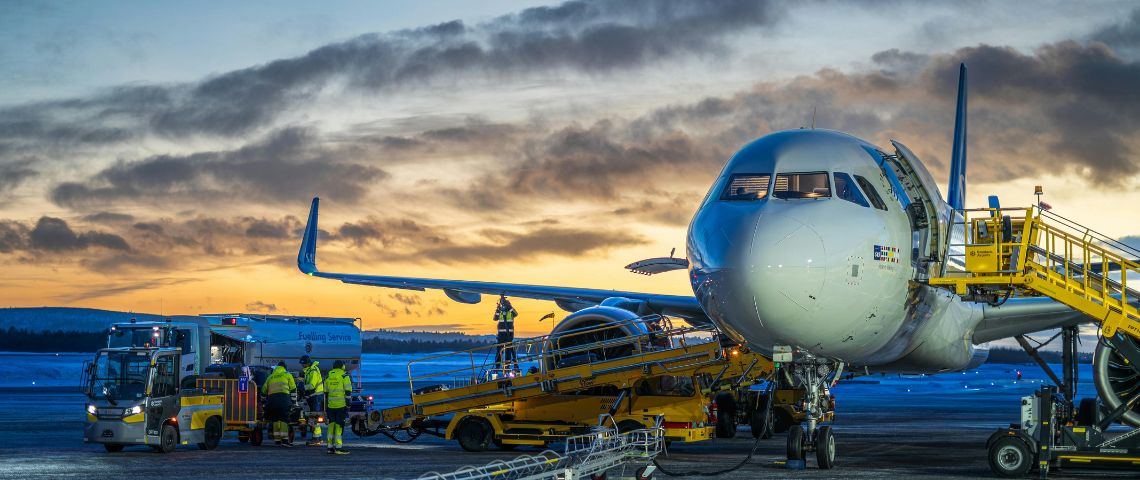
Not all aircraft are equal for a first rental flight — and the difference isn’t just about performance. It’s about how much cognitive bandwidth the aircraft demands.
An older aircraft with steam gauges, a worn panel, and quirky systems asks more of you. You’re managing more information from more sources, cross-checking more, and dealing with a cockpit that may not behave as predictably as the aircraft you trained in. For an early rental, that extra workload is a real cost.
Modern aircraft with integrated glass cockpits — particularly those you’re already familiar with from training — reduce that load significantly. Situational awareness is faster. Navigation is clearer. Energy management is easier to monitor.
Flying a plane becomes measurably easier when the aircraft’s systems work with your thinking, not against it. The right cockpit doesn’t just feel better — it leaves more capacity for judgment.
What to Look for in an Aircraft Rental
- Familiarity: ideally the same type you trained in, or closely related
- Modern avionics: integrated GPS, moving map, and traffic awareness reduce cognitive load
- Reliable systems: a well-maintained aircraft behaves predictably, which is exactly what you need early on
- Good documentation: current POH, weight and balance, avionics guides readily accessible
- A proper checkout: a legitimate rental operation requires a type-specific checkout, not just a signature
After the Flight: What the Debrief Should Look Like
The flight isn’t over when you tie down the aircraft. The debrief — which, as a renting pilot, now has to happen with yourself — is where the learning consolidates.
Give yourself 10–15 minutes before you leave the airport. Go through the flight in your head, in order:
- What went exactly as planned?
- What surprised you?
- What did you handle well?
- What would you do differently?
- What’s a question or procedure you want to review before the next flight?
Write it down if you can. Pilots who keep a brief debrief log alongside their logbook develop pattern recognition for their own tendencies — which is more useful than any generic training advice. You start to notice that your approaches get sloppy when you’re fatigued, or that your radio calls improve dramatically when the workload is low. That kind of self-knowledge compounds.
Also track how the flight felt, not just what happened. If the first private aircraft rental felt overwhelming, that’s useful information. If it felt almost anticlimactic — like, you’ve been doing this all along — that’s equally useful. Both are valid. Neither is a measure of whether you’re a good pilot.
Building Confidence in the Rental Phase
The pilots who progress most quickly after earning their certificate aren’t necessarily the most naturally gifted. They’re the ones who fly consistently and debrief honestly.
For the rental phase specifically:
- Fly frequently enough that skills stay warm — even short local flights maintain edge better than nothing for weeks
- Expand your envelope gradually: longer cross-countries, new airports, slightly more complex weather (within your minimums)
- Don’t skip the simulator — a loggable simulator session before a complex flight is worth more than a ground review
- Talk to other renters at your flight school or club — you’ll learn as much from their first-flight stories as from any checklist
The first flight rental is a threshold. What’s on the other side is the reason most pilots started training: the ability to go anywhere, on your terms, under your own authority. It takes a little time to settle into that freedom. Give yourself permission to build into it.
The Empty Right Seat Becomes Normal — Then It Becomes Yours
The first rental flight is the one you’ll remember most clearly. The quiet cockpit, the weight of the decision to take off, the moment you realize — somewhere mid-cruise — that this is just flying now.
The instructor’s voice fades over time. It gets replaced by your own judgment, your own habits, your own standards. That’s the process. It doesn’t happen in one flight, but it starts with one flight.
The right preparation, the right aircraft, and an honest debrief afterward get you there faster than anything else.
Ready to Book Your First Solo Rental Flight?
At Kodiak Aviation, we offer aircraft rental in our 2021 Cirrus SR20 G6 (N701YZ) — one of the most pilot-friendly, technologically advanced training aircraft available. Based at Falcon Field in Mesa, AZ, our Cirrus is meticulously maintained and equipped with Perspective+ avionics that genuinely simplify your workload, not add to it.
Whether you’re logging solo cross-country hours, staying current, or simply going somewhere on your own terms — we’re here to make that happen.
📍 Falcon Field (KFFZ), Mesa, AZ | 📞 (480) 568-3795 | ✉️ info@kodiakaviationco.com
Book your session at kodiakaviationco.com
Kodiak Aviation is based at Falcon Field (KFFZ) in Mesa, AZ. We offer aircraft rental and simulator sessions in our 2021 Cirrus SR20 G6 and FAA-certified Cirrus Flight Simulator. Rental rates from $285/hr wet. All renters complete a type-specific checkout prior to solo flight.
Aircraft Rental at Falcon Field: Everything You Need to Know About KFFZ
READ STORY